


Wenjiao Hu
専攻:International economics, monetary economics
Wenjiao Hu
専攻:International economics, monetary economics
●最近興味のあるトピックをお知らせください。
exchange rate linkage with economic variables in developing countries
●研究をしていて楽しいと思うことはどんなことですか?
I often enjoy the feeling of attention-focusing during research.
● ご自身にとって「研究」とは?(一言で表すと。)
I treat academic research as a way to improve my personal integrity.
●研究者になったきっかけを教えてください。
To save the world.
●これからどんな研究者になりたいと思いますか?
I want to make more contribution to financial stability in international community
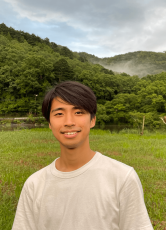
古賀 勇人 コガ ハヤト
専攻:人文地理学、ポリティカルエコロジー、エネルギー社会科学
古賀 勇人 コガ ハヤト
専攻:人文地理学、ポリティカルエコロジー、エネルギー社会科学
●最近興味のあるトピックをお知らせください。
エネルギー地理学、エネルギーガバナンスの分権化、放射性廃棄物管理
●研究をしていて楽しいと思うことはどんなことですか?
新しいことを知ること
● ご自身にとって「研究」とは?(一言で表すと。)
新しいことを生みだすこと
●研究者になったきっかけを教えてください。
環境問題や社会問題に取り組むにあたって、自分に一番向いているのは研究者だと思ったからです.
●これからどんな研究者になりたいと思いますか?
環境問題や社会問題とされるものの是正に少しでも貢献できればと思います。
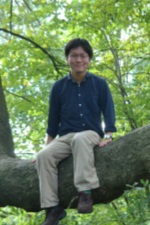
初川 彬 ハツカワ アキラ
専攻:国際法・憲法
初川 彬 ハツカワ アキラ
専攻:国際法・憲法
●最近興味のあるトピックをお知らせください。
人権条約の国内実施
●研究をしていて楽しいと思うことはどんなことですか?
「国際社会の一員としての日本」という観点から、小さくても新たな気づきが得られること。
● ご自身にとって「研究」とは?(一言で表すと。)
山登り(辛いし傷を負うこともあるが、たまに見晴らしの良い場所で爽やかな風に吹かれることもある)
●研究者になったきっかけを教えてください。
学部生時代に、最初は世の中に対する疑問を、続いて先行研究に対する疑問を抱いたこと。
●これからどんな研究者になりたいと思いますか?
国際人権法と憲法の間を架橋し、日本が国際社会に対して説明責任を果たす一助となれるような研究者。
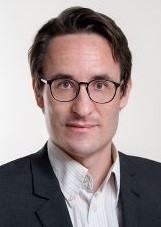
Jonathan Krautter ヨナタン クラウター
専攻:Japanese and German Economic and Business History
Jonathan Krautter ヨナタン クラウター
専攻:Japanese and German Economic and Business History
●最近興味のあるトピックをお知らせください。
The demise and resurgence of capital controls from 1945 until today.
●研究をしていて楽しいと思うことはどんなことですか?
Discovering new insights in archival sources.
● ご自身にとって「研究」とは?(一言で表すと。)
Producing knowledge that helps us to navigate and interpret the social and natural world(s) we live in.
●研究者になったきっかけを教えてください。
I did not have a particular inspiration. Rather, I wanted to continue doing archival research and immerse myself in worlds of the past.
●これからどんな研究者になりたいと思いますか?
My long-term goal is to contribute to theory formation in industrial policy research by employing historical and qualitative approaches, and help bridge the gap between quantitative and qualitative research.
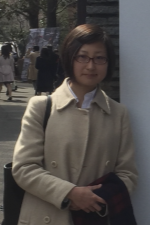
吉本 文 ヨシモト フミ
専攻:EU法
吉本 文 ヨシモト フミ
専攻:EU法
●最近興味のあるトピックをお知らせください。
欧州議会選挙
●研究をしていて楽しいと思うことはどんなことですか?
研究のアイディアを聞いたり話したりしているときに楽しいと感じます。
● ご自身にとって「研究」とは?(一言で表すと。)
試行錯誤の繰り返しでしょうか。
●研究者になったきっかけを教えてください。
紆余曲折あり今に至っております。
●これからどんな研究者になりたいと思いますか?
先輩方のような研究者になれたらよいなと思います。

Batkhuyag Khongorzul バトホヤグ・ホンゴルゾル
専攻:国際私法
Batkhuyag Khongorzul バトホヤグ・ホンゴルゾル
専攻:国際私法
●最近興味のあるトピックをお知らせください。
子の意見表明権や子が聴取される権利の実現
●研究をしていて楽しいと思うことはどんなことですか?
散らばっていた知識やデータが、一つのストーリーとして繋がって見える瞬間
● ご自身にとって「研究」とは?(一言で表すと。)
迷子になってからが本番
●研究者になったきっかけを教えてください。
尊敬する師との出会いが、研究の道に進む大きなきっかけとなりました。
●これからどんな研究者になりたいと思いますか?
学問の地平にわずかでも自らの足跡を刻む研究者になりたいです。

Shaofeng Zheng
専攻:社会心理学, 文化心理学
Shaofeng Zheng
専攻:社会心理学, 文化心理学
●最近興味のあるトピックをお知らせください。
How gene and environmental factors (e.g., culture, childhood experience) independently and interactively shape individuals’ empathy and support-seeking
●研究をしていて楽しいと思うことはどんなことですか?
Writing interesting papers
● ご自身にとって「研究」とは?(一言で表すと。)
Solve problems with a systematic, scientific approach
●研究者になったきっかけを教えてください。
Understanding human nature
●これからどんな研究者になりたいと思いますか?
Create my own theory or research field and inspire others to join me

Haoying Zheng コイン テイ
専攻:中国法、情報法
Haoying Zheng コイン テイ
専攻:中国法、情報法
●最近興味のあるトピックをお知らせください。
個人情報保護、オープンデータ
●研究をしていて楽しいと思うことはどんなことですか?
行き詰まっていた問題に思わぬ解決の糸口が見えた時
● ご自身にとって「研究」とは?(一言で表すと。)
知らなかったことを発見する楽しみです。
●研究者になったきっかけを教えてください。
社会の仕組みを探究したい思ったことがきっかけです。
●これからどんな研究者になりたいと思いますか?
デジタル社会の課題に取り組む、学際的な研究者になりたいです。
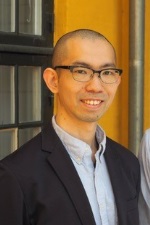
有竹 俊光 アリタケ トシミツ
専攻:統計的機械学習
有竹 俊光 アリタケ トシミツ
専攻:統計的機械学習
●最近興味のあるトピックをお知らせください。
機械学習.特に転移学習やドメイン適応のような分布のズレに関する研究と,メタ最適化という最適化の学習に興味を持って研究しています.
●研究をしていて楽しいと思うことはどんなことですか?
対象の問題を理解し,その問題にあったモデルや分析方法を思いついた時に刺激を感じます.
● ご自身にとって「研究」とは?(一言で表すと。)
Noveltyの探求と自己研鑽
●研究者になったきっかけを教えてください。
恩師や研究室の先輩の研究に向き合う姿にあこがれたのが最初の動機でした.その後,会社づとめをしましたが,研究者になることに諦めがつかなかったため,改めて研究の道へと進むことにしました.
●これからどんな研究者になりたいと思いますか?
実応用に根ざした研究と数理的に面白い問題の両輪で研究を推進していきたいと思います.
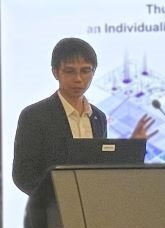
PEIRAN LI リーぺーゼン
専攻:AI/Data Science
PEIRAN LI リーぺーゼン
専攻:AI/Data Science
●最近興味のあるトピックをお知らせください。
I’m now exploring how to use generative AI models—particularly diffusion and large language models—to simulate and understand large-scale human mobility across cities and regions. My broader interest lies in connecting data-driven modeling with real-world urban and social systems.
●研究をしていて楽しいと思うことはどんなことですか?
I enjoy discovering unexpected patterns hidden in complex data and transforming them into interpretable insights.
● ご自身にとって「研究」とは?(一言で表すと。)
To find things we cannot see by eyes but could be revealed by data.
●研究者になったきっかけを教えてください。
By how data and algorithms can reveal real-wrold behavior.
●これからどんな研究者になりたいと思いますか?
I hope to broaden my research scope—from domain-specific spatiotemporal data analysis to more general data science research. My goal is to develop versatile methodologies that can be applied across different types of data and contribute to solving diverse real-world problems.