
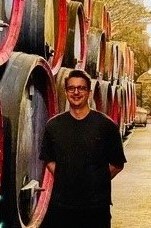
Marco Nutta
専攻:Marketing
Marco Nutta
専攻:Marketing
●最近興味のあるトピックをお知らせください。
Branding, Brand coolness, consumer behavior, foodservice and lodging marketing
●研究をしていて楽しいと思うことはどんなことですか?
Learning a new skill each time I start a project.
● ご自身にとって「研究」とは?(一言で表すと。)
Discovering the unknown and confirming or denying assumptions
●研究者になったきっかけを教えてください。
My mother because she is a researcher and I always wanted to be like her.
●これからどんな研究者になりたいと思いますか?
I would like to be well-known for brand coolness research. Additionally, my field lacks theoretical development and I would like to one day to contribute to the development of a new theory specific to hospitality and tourism.
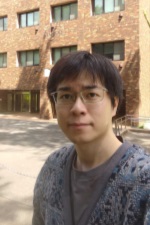
山﨑 遼也 ヤマサキ リョウヤ
専攻:機械学習・統計
山﨑 遼也 ヤマサキ リョウヤ
専攻:機械学習・統計
●最近興味のあるトピックをお知らせください。
順序回帰・スパースモデリング
●研究をしていて楽しいと思うことはどんなことですか?
自分でやることを決めて動けること、やれば全て楽しいですよ
● ご自身にとって「研究」とは?(一言で表すと。)
好きなことですが、仕事の認識を持たないとですね
●研究者になったきっかけを教えてください。
高校生のときPSYCHO-PASS・攻殻機動隊にハマり、その流れで情報学・研究へ
●これからどんな研究者になりたいと思いますか?
100年後も引用されるよう研究をしたい
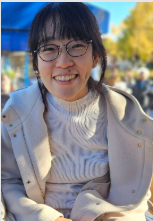
遠山 朝子 トオヤマ アサコ
専攻:実験心理学、計算行動科学
遠山 朝子 トオヤマ アサコ
専攻:実験心理学、計算行動科学
●最近興味のあるトピックをお知らせください。
意思決定、強化学習モデル、感情、生理反応、計算論的精神医学
●研究をしていて楽しいと思うことはどんなことですか?
興味のあることに自分なりに色々学びながらアプローチをできるのは楽しいです。また,他の研究者のエキサイティングな話を聞けるのも楽しいです。
● ご自身にとって「研究」とは?(一言で表すと。)
好奇心からの試行錯誤
●研究者になったきっかけを教えてください。
最初は記憶について研究したいと思い心理学を専攻しました。
●これからどんな研究者になりたいと思いますか?
多角的な視点で人間の行動と心の理解にアプローチできる研究者。
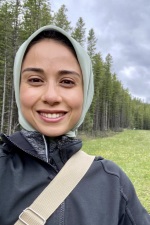
Kareman Yassin
専攻:Applied Microeconomics and Enviromental Economics
Kareman Yassin
専攻:Applied Microeconomics and Enviromental Economics
●最近興味のあるトピックをお知らせください。
My current research closely aligns with global efforts for net-zero carbon emissions by 2050
●研究をしていて楽しいと思うことはどんなことですか?
I enjoy delving deeply into topics that sparks my curiosity with the goal of making contributions that could benefit others in the future.
● ご自身にとって「研究」とは?(一言で表すと。)
Developing a deep and comprehensive understanding of a single topic.
●研究者になったきっかけを教えてください。
My grandfather, a professor of physiology, had a deep love for science and was known for his strong work ethic and unwavering commitment to both his research and his students.
●これからどんな研究者になりたいと思いますか?
To establish collaborations with both the public and private sectors to develop innovative, feasible, and evidence-based policies that bring us closer to achieving the net-zero carbon emission target.
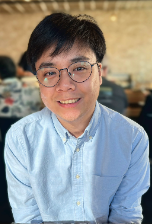
Huynh Nguyen Khoi
専攻:International Relations, Quantitative Methodology
Huynh Nguyen Khoi
専攻:International Relations, Quantitative Methodology
●最近興味のあるトピックをお知らせください。
My main interests are studying the dynamics between globalization and populism. I am also working on applications of machine learning and causal inference methods in social sciences.
●研究をしていて楽しいと思うことはどんなことですか?
Finishing a project and sharing my ideas with others
● ご自身にとって「研究」とは?(一言で表すと。)
Understand the world more little by little
●研究者になったきっかけを教えてください。
I have always been curious about studying politics, but it was my professors and mentors that really inspired me to pursue research and academia.
●これからどんな研究者になりたいと思いますか?
I hope to expand my skillset and collaborate with many other researchers.

石川 光彦 イシカワ ミツヒコ
専攻:Social Neuroscience, Developmental Cognitive Neuroscience
石川 光彦 イシカワ ミツヒコ
専攻:Social Neuroscience, Developmental Cognitive Neuroscience
●最近興味のあるトピックをお知らせください。
How do humans execute appropriate social behaviours in response to various contexts?
How do humans acquire sociality throughout development?
●研究をしていて楽しいと思うことはどんなことですか?
Eureka moment—such as when a groundbreaking experimental design, task, or theory emerges after long hours of contemplation.
● ご自身にとって「研究」とは?(一言で表すと。)
Everyday life
●研究者になったきっかけを教えてください。
My grandfather was a university professor, so I was familiar with academia from a young age.
●これからどんな研究者になりたいと思いますか?
Research has no final destination, so I aspire to be a researcher who continues exploring until the very end of my life.
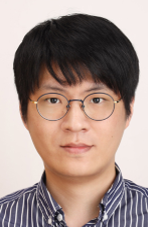
Kim Honjik
専攻:都市環境と行動の関係
Kim Honjik
専攻:都市環境と行動の関係
●最近興味のあるトピックをお知らせください。
健康増進、住み慣れた地域で住み続ける住環境、満足できる生活、社会参加・社会的包摂など
●研究をしていて楽しいと思うことはどんなことですか?
何かしら学術的な貢献ができたとき
● ご自身にとって「研究」とは?(一言で表すと。)
より良い未来・生活のための冒険
●研究者になったきっかけを教えてください。
住環境について興味があります。急速に人口が高齢化する東アジアの文脈から、高齢者と住環境に焦点を当てた研究を致しました。
●これからどんな研究者になりたいと思いますか?
多くの人が幸せに暮らせる住環境開発に貢献する研究ができれば幸いです。